
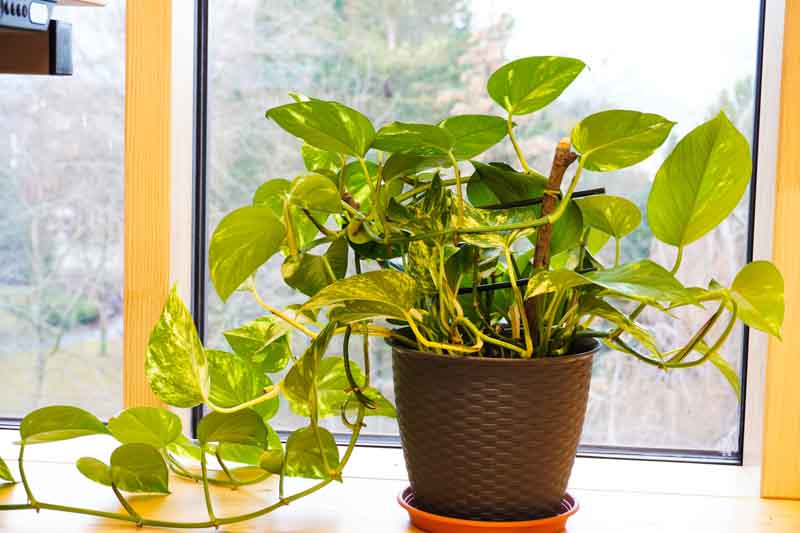
Epipremnum Aureum, also known as Golden Pothos, is a popular houseplant. It is loved for its vibrant, heart-shaped leaves.
Golden Pothos thrives in various lighting conditions, making it ideal for indoor settings. Its hardy nature and low maintenance requirements appeal to both novice and seasoned plant enthusiasts. The plant can purify indoor air by removing toxins, contributing to a healthier living environment.
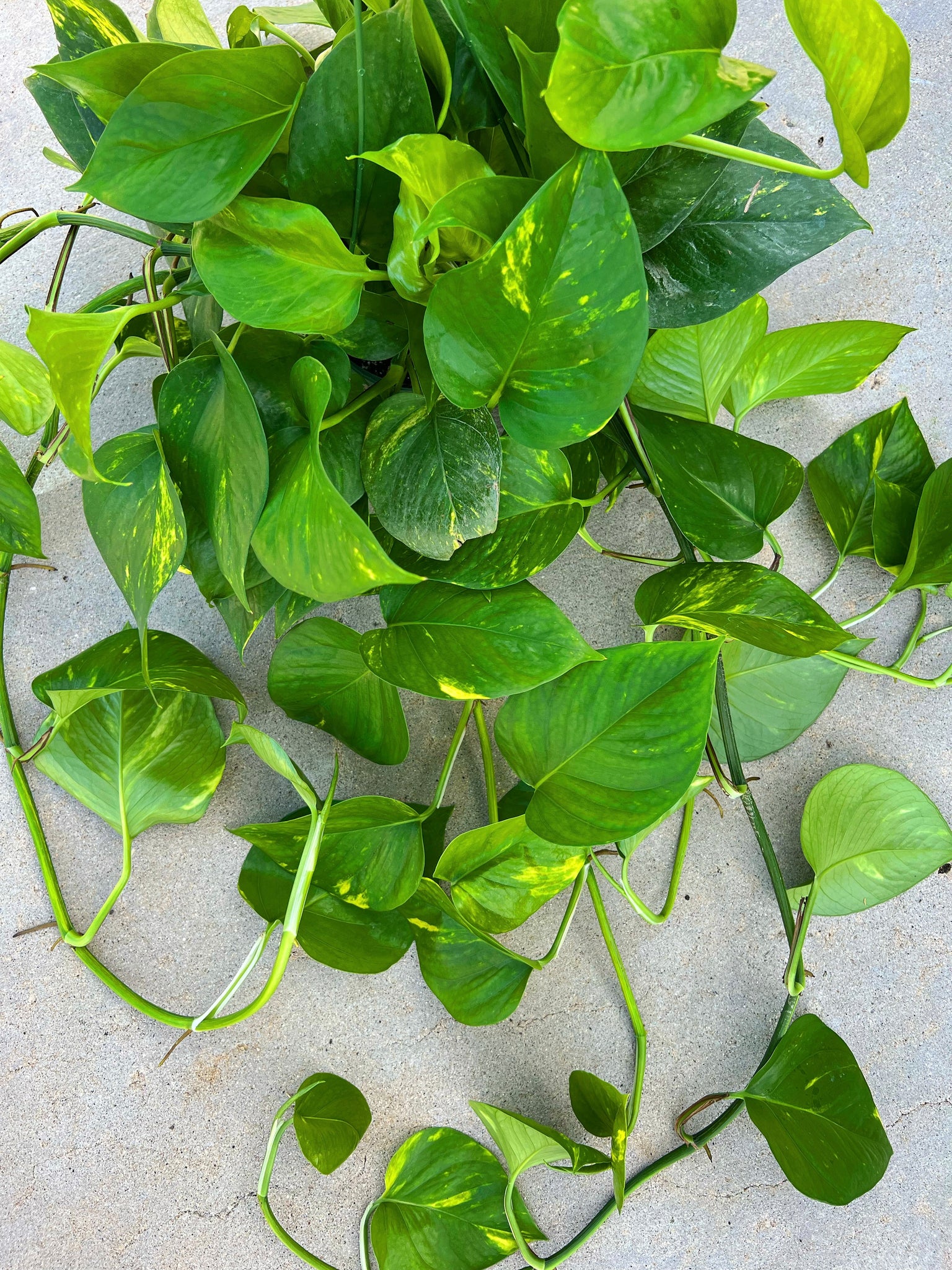
Its cascading vines make it a beautiful addition to shelves or hanging baskets. Regular watering and occasional pruning will keep your Golden Pothos lush and healthy. This versatile plant also adapts well to different types of soil, enhancing its ease of care. Overall, Golden Pothos combines aesthetic appeal with practical benefits, making it a beloved choice for many.
Credit: www.gardenia.net
Ideal Growing Conditions
Epipremnum Aureum, also known as Golden Pothos, is a popular houseplant. It’s known for its beautiful, trailing vines and heart-shaped leaves. To keep it thriving, you need to provide the right growing conditions. In this section, we will cover the ideal light, temperature, and humidity requirements for your Golden Pothos.
Light Requirements
Golden Pothos thrives in bright, indirect light. It also tolerates low light conditions. Direct sunlight can scorch its leaves. Place it near a window with filtered light. You can use sheer curtains to protect it from direct sun rays.
Temperature And Humidity
Golden Pothos prefers temperatures between 60°F and 85°F (15°C to 29°C). Avoid placing it near cold drafts or heating vents. Sudden temperature changes can stress the plant.
Humidity is another crucial factor. Golden Pothos enjoys high humidity levels. Aim for humidity levels around 50-70%. You can use a humidifier or place a tray of water near the plant. Misting the leaves occasionally also helps maintain the humidity.
| Condition | Requirement |
|---|---|
| Light | Bright, indirect light |
| Temperature | 60°F to 85°F (15°C to 29°C) |
| Humidity | 50-70% |
By providing these ideal growing conditions, your Golden Pothos will thrive and add beauty to your home.
Planting And Potting
Planting and potting your Epipremnum Aureum Golden Pothos is essential for its growth. This beautiful plant thrives when given the right conditions. Follow these guidelines for a healthy, lush Pothos.
Choosing The Right Pot
Choose a pot with drainage holes. Drainage holes help prevent root rot. The pot size should be slightly larger than the root ball. A 6-8 inch pot is a good starting point. Clay, ceramic, or plastic pots work well. Ensure the pot is sturdy and stable.
Soil Mix Recommendations
Your Pothos needs a well-draining soil mix. Use a potting mix designed for houseplants. The mix should be light and airy. Below is a simple soil mix recipe:
| Ingredient | Ratio |
|---|---|
| Peat Moss | 2 parts |
| Perlite | 1 part |
| Pine Bark | 1 part |
This mix ensures good aeration and moisture retention. Avoid heavy soils that retain too much water.
- Peat Moss: Provides moisture retention.
- Perlite: Improves drainage.
- Pine Bark: Enhances aeration.
Repot your Pothos every 1-2 years. Use fresh soil mix each time. This keeps the plant healthy and thriving.
Watering Needs
The Epipremnum Aureum Golden Pothos is a popular indoor plant. It thrives with the right watering routine. Proper watering ensures healthy growth and lush, green leaves.
How Often To Water
Water the Golden Pothos once the top inch of soil feels dry. Usually, this means watering every 1-2 weeks. Adjust based on the season and indoor humidity. In winter, you may water less frequently.
Use a well-draining pot to avoid waterlogging. Ensure the pot has drainage holes. Always empty the saucer beneath the pot after watering.
Signs Of Overwatering
Overwatering is a common problem for the Golden Pothos. Look for these signs:
- Yellowing leaves
- Wilting despite moist soil
- Mushy or soft stems
- Foul odor from the soil
If you notice these signs, reduce watering frequency. Check the soil before each watering. Allow the soil to dry out more between waterings.
Fertilizing Tips
To keep your Epipremnum Aureum Golden Pothos thriving, proper fertilization is key. Fertilizers provide essential nutrients that promote lush, vibrant foliage. Below, find detailed guidance on the best fertilizers and an ideal fertilizing schedule.
Best Fertilizers
Choosing the right fertilizer ensures your plant gets the nutrients it needs. Here are some of the best options:
- Balanced Liquid Fertilizer: A 20-20-20 formula works well. It provides equal parts nitrogen, phosphorus, and potassium.
- Slow-Release Granules: These fertilizers release nutrients over time. They reduce the need for frequent applications.
- Organic Options: Fish emulsion and seaweed extract are great. They are gentle and improve soil health.
Fertilizing Schedule
Following a consistent fertilizing schedule helps maintain healthy growth. Here’s a simple guide:
| Season | Frequency | Type of Fertilizer |
|---|---|---|
| Spring | Every 2 weeks | Balanced Liquid Fertilizer |
| Summer | Every 2 weeks | Balanced Liquid Fertilizer |
| Fall | Monthly | Slow-Release Granules |
| Winter | Every 6-8 weeks | Organic Options |
During winter, reduce fertilization. The plant’s growth slows down, requiring fewer nutrients.
Pruning And Training
Pruning and training Epipremnum Aureum Golden Pothos encourages lush growth and maintains its shape. Regular trimming prevents legginess, promoting fuller foliage.
Pruning and training your Epipremnum Aureum Golden Pothos is crucial. These practices ensure the plant thrives and maintains its lush appearance. Proper pruning helps control the size of your plant. Training the vines allows you to shape the plant as desired.
When To Prune
Prune your Golden Pothos during its active growing season. This typically spans spring and summer. Avoid pruning in winter as the plant is dormant. Remove yellowing or dead leaves promptly. Always use clean, sharp scissors or shears. A simple rule is to prune when vines grow too long. Cutting back promotes bushier growth. Aim to cut just above a leaf node. This encourages new shoots to sprout.
How To Train Vines
Training the vines of your Golden Pothos can be fun. You can guide them to grow in a specific direction. Use small hooks or trellises for support.
- First, decide on the desired shape or direction.
- Gently guide the vines towards the support.
- Secure the vine using plant ties or clips.
- Adjust the ties as the plant grows.
Here’s a simple table to help you understand the process better:
| Step | Action |
|---|---|
| 1 | Choose a direction or shape. |
| 2 | Gently guide the vines. |
| 3 | Secure with ties or clips. |
| 4 | Adjust as the plant grows. |
Training your Golden Pothos enhances its beauty. It also prevents vines from becoming tangled. Enjoy the process and watch your plant flourish! “`
Credit: hortology.co.uk
Common Pests And Diseases
Epipremnum Aureum, also known as Golden Pothos, is a hardy plant. But it can still face pests and diseases. Identifying and treating these issues is key to maintaining a healthy plant.
Identifying Pests
Several pests can affect Golden Pothos. Here are some common ones:
| Pest | Signs |
|---|---|
| Spider Mites | Fine webbing and yellow leaves |
| Mealybugs | White, cotton-like clusters |
| Aphids | Sticky residue and curled leaves |
| Scale Insects | Brown, shell-like bumps on stems |
Disease Prevention And Treatment
Diseases can also affect Golden Pothos. Use the following tips to prevent and treat them:
- Root Rot: Caused by overwatering. Ensure soil drains well.
- Leaf Spot: Brown or black spots on leaves. Remove affected leaves.
- Powdery Mildew: White powder on leaves. Increase air circulation.
To treat pests and diseases, follow these steps:
- Inspect your plant regularly.
- Isolate the affected plant.
- Use insecticidal soap for pests.
- Trim diseased parts with sterile tools.
- Maintain proper watering and light conditions.
Following these guidelines will help keep your Golden Pothos healthy and vibrant.
Propagation Methods
Propagating the Epipremnum Aureum Golden Pothos is a fun and easy process. This method allows you to grow more plants from a single parent plant. Below, we will explore two popular methods: Stem Cuttings and Water Propagation.
Stem Cuttings
Stem cuttings are a straightforward method to propagate your Golden Pothos. Follow these steps:
- Identify a healthy stem on the parent plant.
- Make a clean cut just below a node.
- Ensure the cutting has 2-3 leaves.
- Remove the leaf closest to the cut end.
Here is a quick table summarizing the steps:
| Step | Action |
|---|---|
| 1 | Identify a healthy stem |
| 2 | Make a clean cut below a node |
| 3 | Ensure 2-3 leaves on the cutting |
| 4 | Remove the nearest leaf to the cut end |
Water Propagation
Water propagation is another simple method. Follow these steps:
- Place the cutting in a glass of water.
- Ensure the node is submerged.
- Place the glass in indirect sunlight.
- Change the water every few days.
- Wait for roots to grow.
Once roots are 1-2 inches long, transfer the cutting to soil. Here’s a quick summary:
- Submerge node in water
- Place in indirect sunlight
- Change water every few days
- Transfer to soil when roots grow
Both methods are effective for propagating your Golden Pothos. Enjoy watching your new plants thrive!
Credit: www.insucculentlove.com
Troubleshooting Issues
Epipremnum Aureum, commonly known as Golden Pothos, is a popular houseplant. It’s easy to care for but can face some issues. This section will help you troubleshoot common problems to keep your plant healthy.
Yellow Leaves
Yellow leaves on your Golden Pothos can be concerning. Here are some common reasons:
| Cause | Solution |
|---|---|
| Overwatering | Water less frequently. Ensure the soil dries out between waterings. |
| Underwatering | Water your plant thoroughly. Make sure the water reaches the roots. |
| Low Light | Move the plant to a brighter spot. Indirect light is best. |
| Temperature Stress | Keep the plant in a stable temperature. Avoid drafts. |
Slow Growth
Is your Golden Pothos growing slowly? Consider the following tips:
- Insufficient Light: Ensure the plant gets bright, indirect light.
- Poor Soil: Use well-draining soil. Add perlite for better aeration.
- Lack of Nutrients: Feed your plant with a balanced liquid fertilizer every month.
- Root Bound: Repot if roots are crowded. Choose a pot 1-2 inches larger.
- Wrong Temperature: Keep the plant in a room between 65-85°F.
By addressing these issues, you can help your Golden Pothos thrive. Follow these tips for a lush, green plant.
Decorating Ideas
The Epipremnum Aureum, also known as Golden Pothos, is perfect for decorating. Its vibrant green and yellow leaves add a touch of nature to any space. Here are some creative ways to use this versatile plant in your home.
Indoor Placement
Golden Pothos thrives in various indoor locations. Here are some ideal spots:
- Living Room: Place on a shelf or hang from the ceiling.
- Kitchen: Brighten up the kitchen with a potted Pothos on the counter.
- Bathroom: Enjoy its air-purifying qualities in humid environments.
- Bedroom: Create a calming atmosphere with a bedside plant.
- Office: Boost productivity with a desk plant.
Creative Uses
Get creative with how you display your Golden Pothos:
| Idea | Description |
|---|---|
| Hanging Baskets | Allow the vines to cascade for a dramatic effect. |
| Wall Shelves | Place the plant on shelves to create a green wall. |
| Bookshelves | Intertwine the vines around books and decor items. |
| Terrariums | Use small Pothos cuttings in glass containers. |
| Planter Stands | Elevate the plant to make it a focal point. |
Experiment with these creative ideas to enhance your home decor.
Frequently Asked Questions
What Is Epipremnum Aureum?
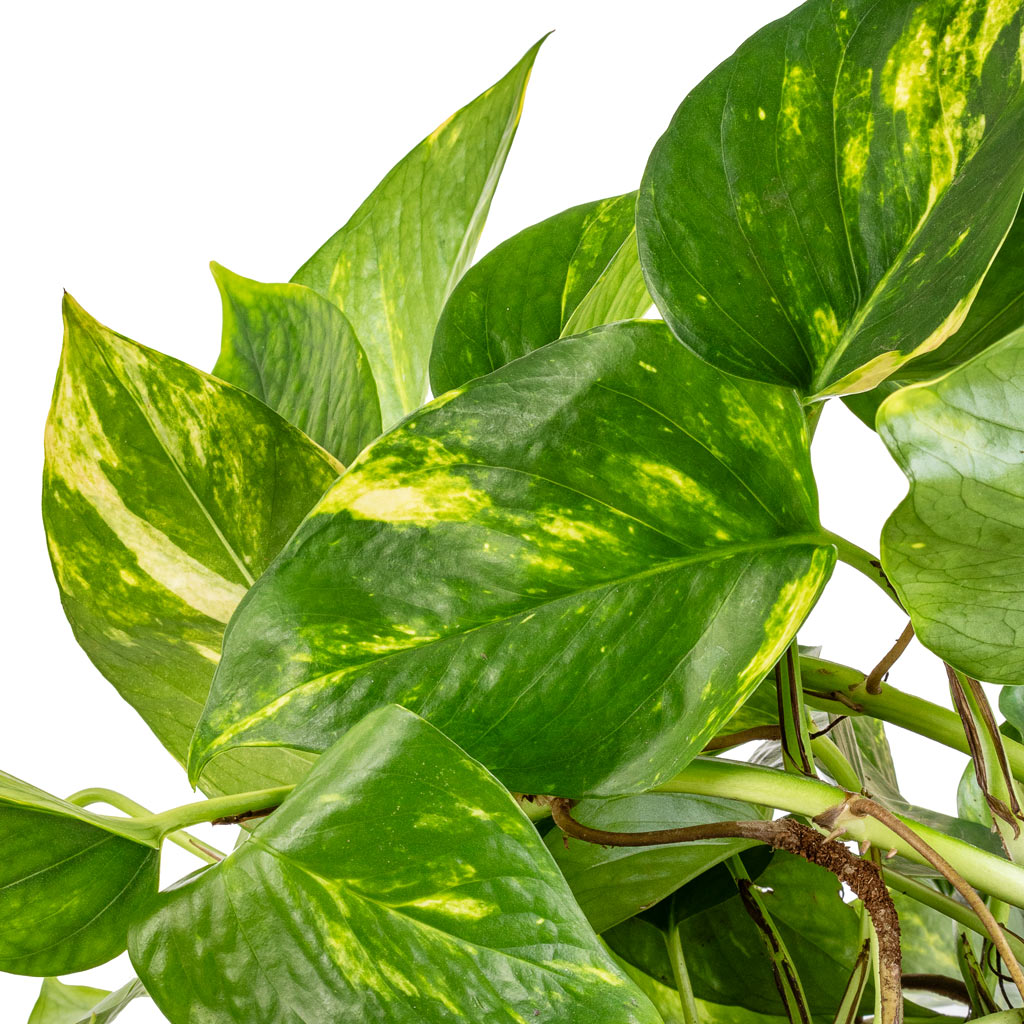
Epipremnum Aureum, also known as Golden Pothos, is a popular houseplant. It’s known for its heart-shaped leaves with golden-yellow variegation. This plant is easy to care for and thrives in various indoor conditions.
How To Care For Golden Pothos?
Golden Pothos needs indirect light, well-draining soil, and moderate watering. Allow the soil to dry out between waterings. It thrives in temperatures between 60-85°F and benefits from occasional feeding with a balanced fertilizer.
Is Golden Pothos Toxic To Pets?
Yes, Golden Pothos is toxic to pets. Ingesting it can cause mouth irritation, vomiting, and difficulty swallowing. Keep the plant out of reach of cats and dogs.
Can Golden Pothos Grow In Low Light?
Yes, Golden Pothos can grow in low light conditions. However, its growth may slow, and variegation may fade. For optimal growth, place it in bright, indirect light.
Conclusion
The Epipremnum Aureum, or Golden Pothos, is a versatile and low-maintenance houseplant. Its air-purifying qualities and vibrant foliage make it a favorite. Perfect for both beginners and seasoned plant enthusiasts, it thrives in various environments. Add a touch of nature to your home with this resilient and beautiful plant.